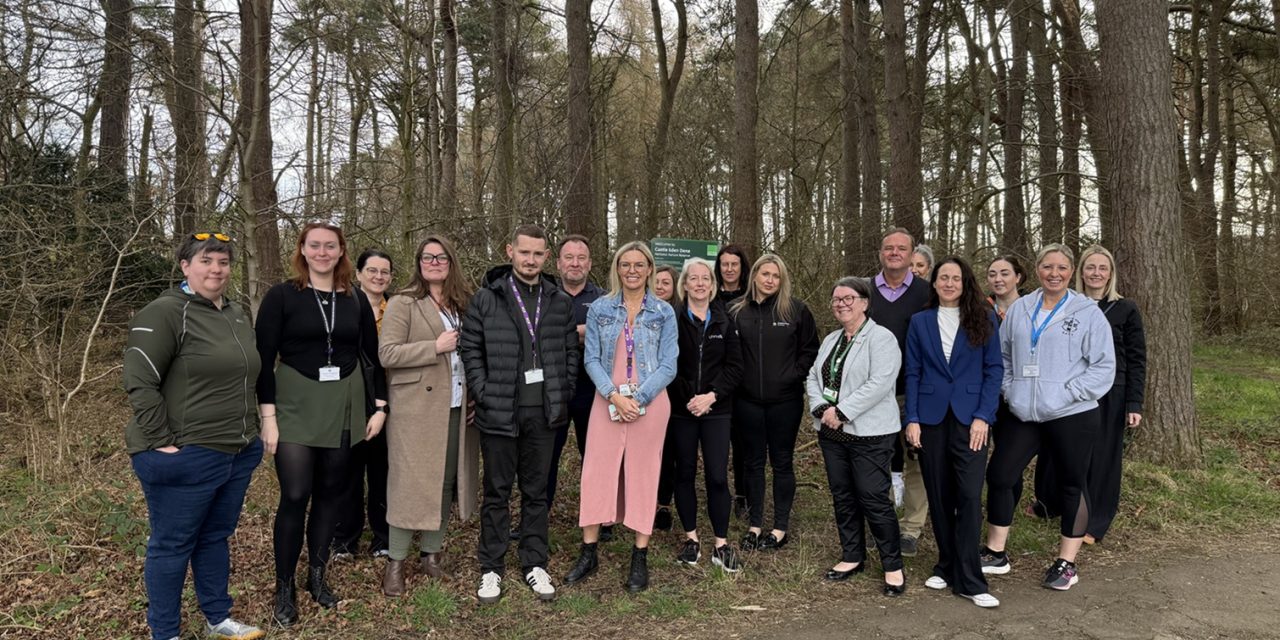
A council has partnered with Sport England to get people in County Durham moving by increasing accessibility to sport and physical activity.
Durham County Council has received nearly £500,000 in funding from the sporting body to help increase physical activity for those who need it most, particularly in the county’s most inactive communities.
County Durham is one of 27 areas in England set to benefit from Sport England’s £250 million investment. The national initiative seeks to make sport, physical activity, and movement accessible to everyone by working at the heart of local communities.
The local authority was successful in applying for the funding and, in partnership with a range of local organisations, will use it to create new community-based roles. These posts will focus on researching barriers to physical activity and developing tailored solutions to overcome them.
This will build on the success of a pilot project in Peterlee, where the council works closely with residents and local stakeholders to understand what prevents people from being active and how it can support healthier lifestyles.
The new funding will help to expand this place-based model to more towns across County Durham, including Shildon, Bishop Auckland, Newton Aycliffe, Stanley, and Seaham.
Cllr Karen Allison, Durham County Council Cabinet member for leisure, tourism, regeneration and high street, said: “This significant funding boost will go a long way to improving our efforts to bring physical activity to as many communities as possible, while ensuring they are as accessible as possible.
“We already have a successful pilot project in Peterlee to support healthier lifestyles, and we’re excited to bring this model to wider areas across the county. Together, with Sport England, we aim to break down barriers and create more opportunities for everyone to enjoy the benefits of being active.”
Research by Sport England highlights the importance of an active lifestyle, estimating that physical activity saves the healthcare system £8 billion annually by preventing illness. It also helps avoid more than 3.3 million cases of chronic health conditions each year.
Despite these benefits, less than half of children meet the Chief Medical Officer’s guidelines for daily physical activity. Meanwhile, women, people from lower socio-economic backgrounds, and Black and Asian communities remain less likely to be active than other adults.