A County Durham business founder has published a book arguing that the health of a workforce is the responsibility of chief executives and boards, not something to be handed to HR.
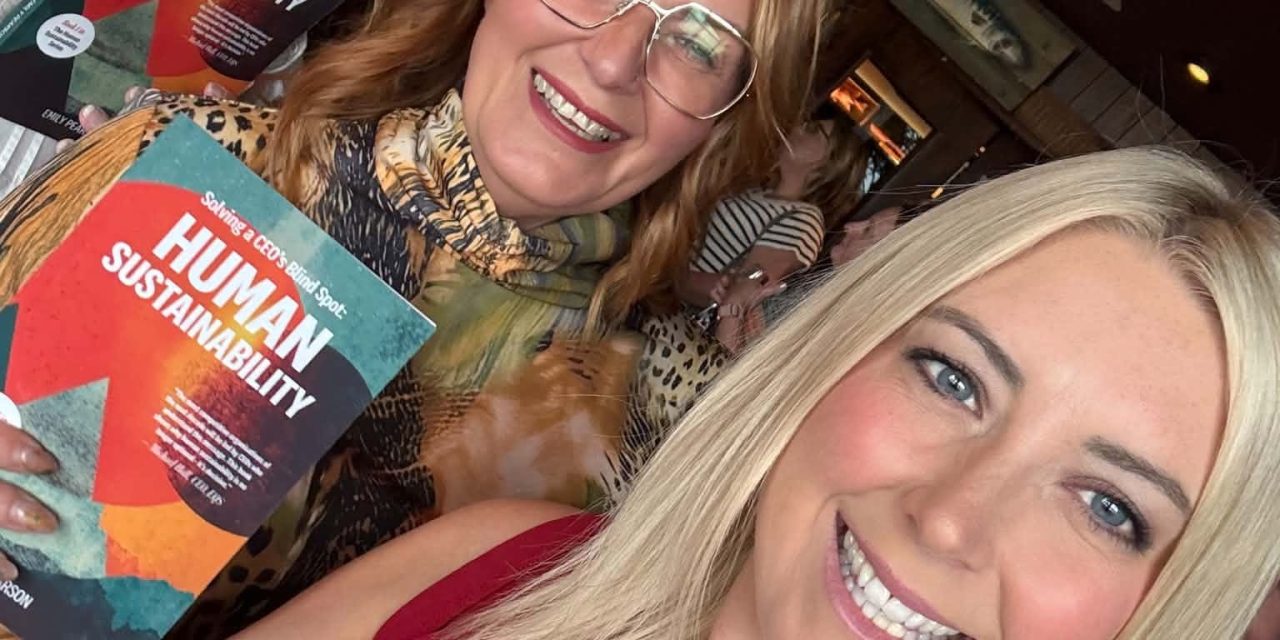
Emily Pearson, founder of the Wellbeing Lead Academy, published ‘Solving a CEO’s Blind Spot: Human Sustainability’ on 10th September. She chose the date because it was World Suicide Prevention Day. In its first week the book reached number four in Amazon UK’s HR and Personnel Management chart.
Emily works with chief executives and boards on what she calls human sustainability: whether the way an organisation is run can sustain the people doing the work. Her argument is that most organisations support people after they have been harmed, through programmes, apps and helplines, while the decisions that cause the harm are taken by leaders and never treated as wellbeing decisions at all. Those are decisions about workloads, targets, staffing and restructures.
“Boards can see the cost of losing people. What they cannot see are the design decisions that cause it, because those decisions are never filed under wellbeing. That is the blind spot,” she said.
The book draws on Emily’s own experience as well as her work with organisations. It has been endorsed by Michael Hall, chief executive of EQS, who said: “The most competitive organisations of the next decade will be led by CEOs who understand this message.”
Through the Wellbeing Lead Academy, Emily trains and certifies wellbeing leads to Level 5. She also sits on the Advisory Board of the Policy Liaison Group on Workplace Wellbeing. The book is the first in The Human Sustainability Series.
‘Solving a CEO’s Blind Spot: Human Sustainability’ is available on Amazon in Kindle and paperback. Readers can also try the free Human Sustainability Scorecard at:
human-sustainability.scoreapp.com
Wellbeing Starts in the Boardroom