With Northern Ireland now moving ahead with Graduated Driver Licensing from 1 October, the question is no longer whether it works, but why young drivers in England and Wales are still being denied the same protection.
County Durham and Darlington Police and Crime Commissioner Joy Allen is renewing her call for the Government to introduce Graduated Driver Licensing (GDL) across England and Wales, arguing that ministers can no longer ignore the evidence that it saves lives.
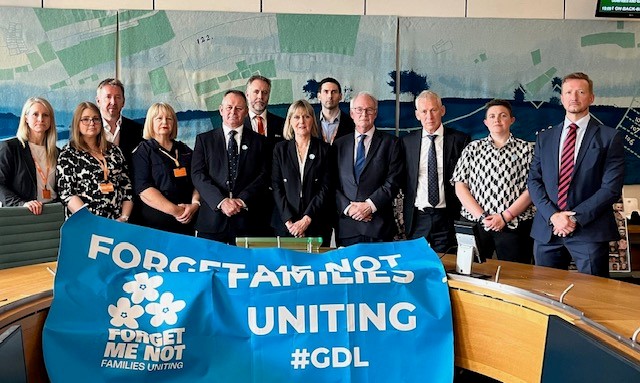
As Joint APCC Lead for Roads Policing, PCC Allen has been at the forefront of a national campaign to improve the safety of young and newly qualified drivers. Alongside Warwickshire PCC Philip Seccombe, she recently co-chaired the inaugural meeting of the Protect Young Drivers Steering Group, bringing together national organisations, road safety experts, campaigners and bereaved families to drive forward meaningful reform.
The move by Northern Ireland, where legislation has been years in the making and is now being supported by a public awareness campaign, has strengthened PCC Allen’s determination to secure the same protections for young drivers elsewhere in the UK.
PCC Joy Allen said: “The decision to introduce Graduated Driver Licensing in Northern Ireland is an evidence-led step that will undoubtedly save lives and prevent families from experiencing the devastation that follows a serious or fatal collision.
“What I struggle to understand is why young drivers in England and Wales are still being denied these protections when the evidence supporting GDL is so compelling.
“We know that newly qualified drivers face a significantly higher risk on our roads. One in five new drivers is involved in a collision within the first year of passing their test. Too often, we hand young people the keys to a vehicle and unrestricted access to our roads before they have gained sufficient experience to safely navigate the risks and challenges they will inevitably encounter.
“This is not about unfairly penalising young drivers or restricting their independence. It is about safeguarding them during the most vulnerable period of their driving lives and giving them the time, experience and confidence to become safer motorists.
“For too long, the debate around GDL has centred on perceived restrictions rather than the lives it can save. Countries that have embraced Graduated Driver Licensing have seen reductions of between 20 and 40 per cent in collisions involving young drivers. When the evidence is this strong, failing to act becomes increasingly difficult to justify.
“Northern Ireland has shown leadership and courage in putting road safety first. Ministers in Westminster must now follow suit. Every year we delay meaningful reform, more young people and their families pay the price.
“In my role as PCC and as APCC joint-lead for roads policing, I will continue to press the Government to introduce Graduated Driver Licensing across England and Wales. I have requested discussions with the Roads Minister and will continue working with partners, campaigners and bereaved families to make the case for change.
“If we are serious about reducing deaths and serious injuries on our roads, if we are serious about Vision Zero, and if we are serious about protecting the next generation of drivers, then the time for debate has passed. The time for Graduated Driver Licensing in England and Wales is now.”
Safer Roads remains a key priority within PCC Allen’s Police, Crime and Justice Plan. The Commissioner continues to champion a range of measures aimed at reducing road deaths and serious injuries, including stronger drug-driving enforcement, workplace drug and alcohol testing, a reduction in the drink-drive limit and wider adoption of preventative road safety interventions.
However, Graduated Driver Licensing remains one of the most significant opportunities available to save young lives and prevent avoidable tragedies on Britain’s roads.